

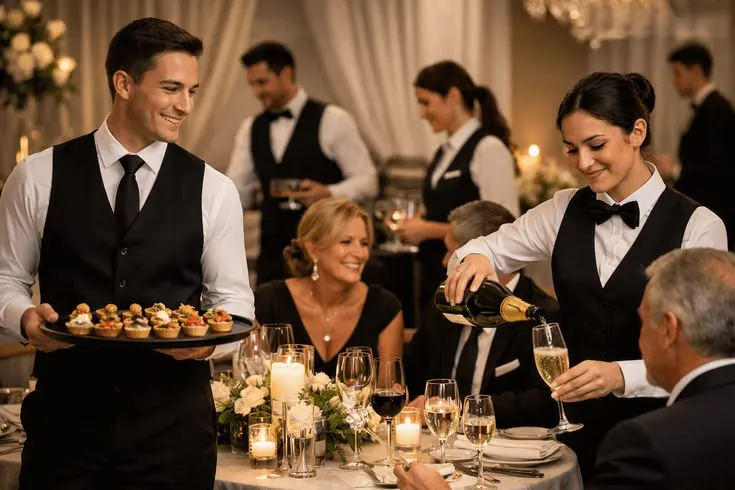
A good social event should feel relaxed, but that does not mean everything happens naturally without planning. Guests arrive at different times, some people already know one another, and others may need help settling into the atmosphere.
Professional hosting can support these moments without making the event feel formal or over-managed. The aim is not to control every conversation, but to help the evening move smoothly from arrival through dining, socialising and later entertainment.
Social Support Can Help Guests Settle In
People considering party companions Malaysia may be planning private celebrations, networking events or social functions where interaction is an important part of the evening.
At mixed gatherings, not every guest arrives with an established group. Some may be attending alone, while others may know only the host.
A welcoming social presence can make the beginning of the event feel less awkward and help guests become comfortable with the setting.
The approach should remain natural. Guests should never feel as though conversation is being forced or every moment has been scripted.
The Opening Stage Sets the Tone
The first part of an event often determines how the rest of the evening develops.
If guests arrive to an empty or uncertain atmosphere, they may stay within small familiar groups. A more welcoming setup can make introductions and early conversation easier.
This is especially useful at events that bring together people from different social or professional circles.
Simple interaction during arrival can help the event feel established before the main programme begins.
Professional Hosting Should Fit the Occasion
A search for professional party hostesses Malaysia can relate to many different event styles.
A corporate gathering may require polished presentation and restrained interaction. A private celebration can be more relaxed, while a VIP event may place greater importance on discretion and guest comfort.
The hosting style should therefore match the event rather than follow one fixed approach.
Understanding the guest profile, venue and desired atmosphere before the event helps create a more suitable experience.
Conversation Should Remain Natural
Social hosting works best when it supports conversation rather than replacing it.
Hosts can help with introductions or keep interaction moving when needed, but guests should still have room to talk freely with one another.
Constant intervention can make an event feel artificial.
The strongest social atmosphere usually comes from knowing when to engage and when to step back. This balance is particularly important at networking dinners, private parties and hospitality events.
The Venue Changes the Hosting Style
A hotel lounge, private dining room and rooftop venue all create different social environments.
A smaller space may encourage direct conversation, while a larger venue can require more movement between groups.
Noise level and seating arrangements also matter. Guests seated at formal tables will interact differently from people moving freely around a cocktail-style event.
Professional hosting should adapt to those conditions instead of treating every venue in the same way.
Guest Numbers Influence the Approach
A gathering of twelve people feels very different from an event with a much larger guest list.
Small events can usually stay conversational, while larger functions may need more structured introductions and clearer movement between different stages of the evening.
This does not mean bigger events need constant hosting.
It simply means that the social plan should reflect how many people will be present and how they are expected to interact.
Timing Makes Hosting More Effective
Different stages of an event call for different levels of involvement.
Guest arrival may benefit from more active welcoming and introductions. During dinner, interaction can become quieter and more conversational. Later in the evening, the atmosphere may become more relaxed and energetic.
Planning around these stages helps the hosting feel connected to the event.
It also prevents one style of interaction from being used throughout the entire evening when the mood naturally changes.
Clear Event Details Improve Planning
A useful event brief should include the date, venue, guest count, event type and expected duration.
It can also describe whether the gathering is formal, relaxed, business-focused or celebratory.
These details provide enough context to understand how social hosting should fit into the event without creating an overly detailed script.
Clear expectations are especially useful when several parts of the evening need to work together.
Conclusion
Professional party hosting is most effective when it supports the natural flow of an event.
Guest arrivals, introductions, venue layout, event timing and group size all influence how much social support may be useful. The aim should be to help guests feel comfortable without making the evening feel over-managed.
When hosting is adapted to the occasion, it can contribute to a smoother, more welcoming event while still leaving guests enough freedom to enjoy the experience in their own way.
